
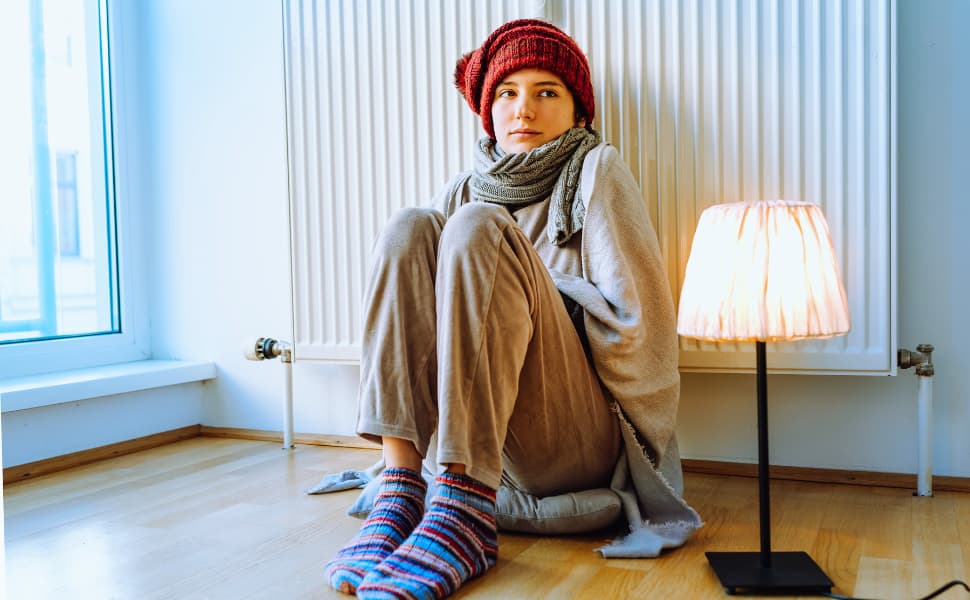
As the temperature dips across the country, keeping your home warm and welcoming becomes a top priority. There are several ways to make your home feel warmer this winter without solely relying on cranking up the heating. These tips from Heat IQ focus on maximising warmth, improving energy efficiency, and reducing heating bills so you can enjoy a cosy home while keeping costs down.
Upgrade to a Modern, Efficient Boiler
An efficient boiler is at the heart of a warm home. If your boiler is over 10 years old, it may be time to consider an upgrade. A modern gas boiler can operate more efficiently, converting energy into heat while reducing waste.
Heat IQ Boiler Installation and Servicing: Heat IQ offers professional boiler installation and maintenance services for Yorkshire residents. Regular boiler servicing is essential to ensure it runs safely and efficiently. An efficient boiler will not only make your home warmer but also help reduce your energy bills in the long run.
Keep Your Radiators in Good Condition
Radiators distribute heat throughout your home. Start bleeding your radiators to release any trapped air, which can cause cold spots. Trapped air prevents the radiator from heating up fully, meaning you won’t feel the full benefit of central heating.
Ensure your radiators aren’t blocked by furniture, which can obstruct heat flow. Consider adding reflector panels behind radiators on external walls, which will help reflect heat into the room rather than letting it escape through the walls.
Layer Up with Insulation
Insulating your home is one of the most effective ways to retain warmth. Loft insulation is particularly impactful, as a large amount of heat can escape through an uninsulated roof. Wall and underfloor insulation can also help reduce heat loss significantly, ensuring your home stays warmer for longer.
Additionally, check for draughts around windows, doors, and even letterboxes. Weatherstripping and draught excluders are affordable ways to prevent cold air from seeping in. By sealing up gaps and insulating effectively, you’ll keep warm air inside, making your home feel more comfortable.
Thick Curtains or Thermal Linings
Windows can be a major source of heat loss in winter. A straightforward way to keep warmth is to use thick curtains or add thermal linings to your existing ones. Close your curtains at dusk to trap warm air inside, and open them in the morning to let in natural sunlight, which can add warmth to your home for free. This extra layer around your windows can make a noticeable difference, helping you feel warmer without increasing the thermostat.
Install a Programmable Thermostat
A programmable thermostat is an excellent investment that allows you to set your heating to come on at specific times, ensuring your home is warm when you need it most. By programming your heating to reduce when you’re asleep or away, you’ll save energy and lower your heating bill.
A smart thermostat can even learn your habits and optimise heating according to your routine. This means you’ll always return to a cosy home without constantly adjusting your settings, saving energy while keeping you comfortable.
Thermostatic Radiator Valves
Thermostatic Radiator Valves (TRVs) allow you to adjust the temperature in individual rooms. For example, you might want to keep living areas warm during the day and bedrooms cooler. Zoning your heating system can help you avoid wasting heat in rooms that don’t need it, which makes for a more energy-efficient home. TRVs are easy to install and allow you to create a custom heating setup tailored to your needs.
Embrace Rugs
If you have wooden or tile floors, they can become cold in winter, which can affect a room’s overall warmth. Adding rugs is an easy way to help insulate your floors and prevent heat from escaping. Rugs provide warmth underfoot and add a cosy aesthetic to your space, creating a snug environment that feels inviting on cold days.
Reverse Ceiling Fans
If you have ceiling fans, you may not consider them winter accessories, but they can help keep your home warmer. Many ceiling fans have a reverse setting that changes the direction of the blades. By rotating your fan clockwise at a low speed, you’ll push warm air down from the ceiling, which can help maintain a more consistent temperature throughout the room.
Make Use of Natural Heat Sources
Using your oven or stove can generate warmth that spreads through the kitchen and nearby areas. After cooking, leave the oven door open (safely and away from pets or children) to let the warm air spread. Similarly, if you’re lucky enough to have a fireplace, make the most of it during winter. Just remember to have your chimney cleaned and inspected to ensure safe use.
Keep Heating Consistent
Contrary to popular belief, turning your heating on and off throughout the day can increase energy consumption. If you’re home for extended periods, keeping your heating on at a low, consistent level is generally more efficient. This prevents your boiler from repeatedly working harder to heat up a cold house. Maintaining a steady temperature can help your home feel warmer throughout the day without straining your heating system.
Bring Out the Blankets and Throws
Blankets and throws are an inexpensive way to create warmth in your home. Keep a cosy throw on your sofa, and add extra blankets to your bed to reduce the need to turn up the heating. Layering up with blankets lets you stay warm in some areas of your home, saving energy by not relying solely on central heating. Plus, it adds a cosy, inviting look to your space.
Create a Cosy, Warm Home Without Breaking the Bank
Making your home feel warmer this winter doesn’t have to be complex or expensive. From upgrading to a modern boiler with Heat IQ to adding layers of insulation and utilising natural heat sources, there are many ways to keep your space comfortable while keeping energy bills in check.
With these tips, you can enjoy a warm, welcoming home all winter. So, start preparing now and embrace the comfort of a cosy winter indoors, knowing your home efficiently keeps the cold at bay.
Related Articles
- Preparing Your Home for Winter
- Tips to Reduce Your Heating Bill This Winter
- How to Wrap Your Pipes Properly This Winter
- Give your Radiators a Little TLC Over the Winter Period
- Safe as Houses? Make Sure your Home Stays Safe This Winter

